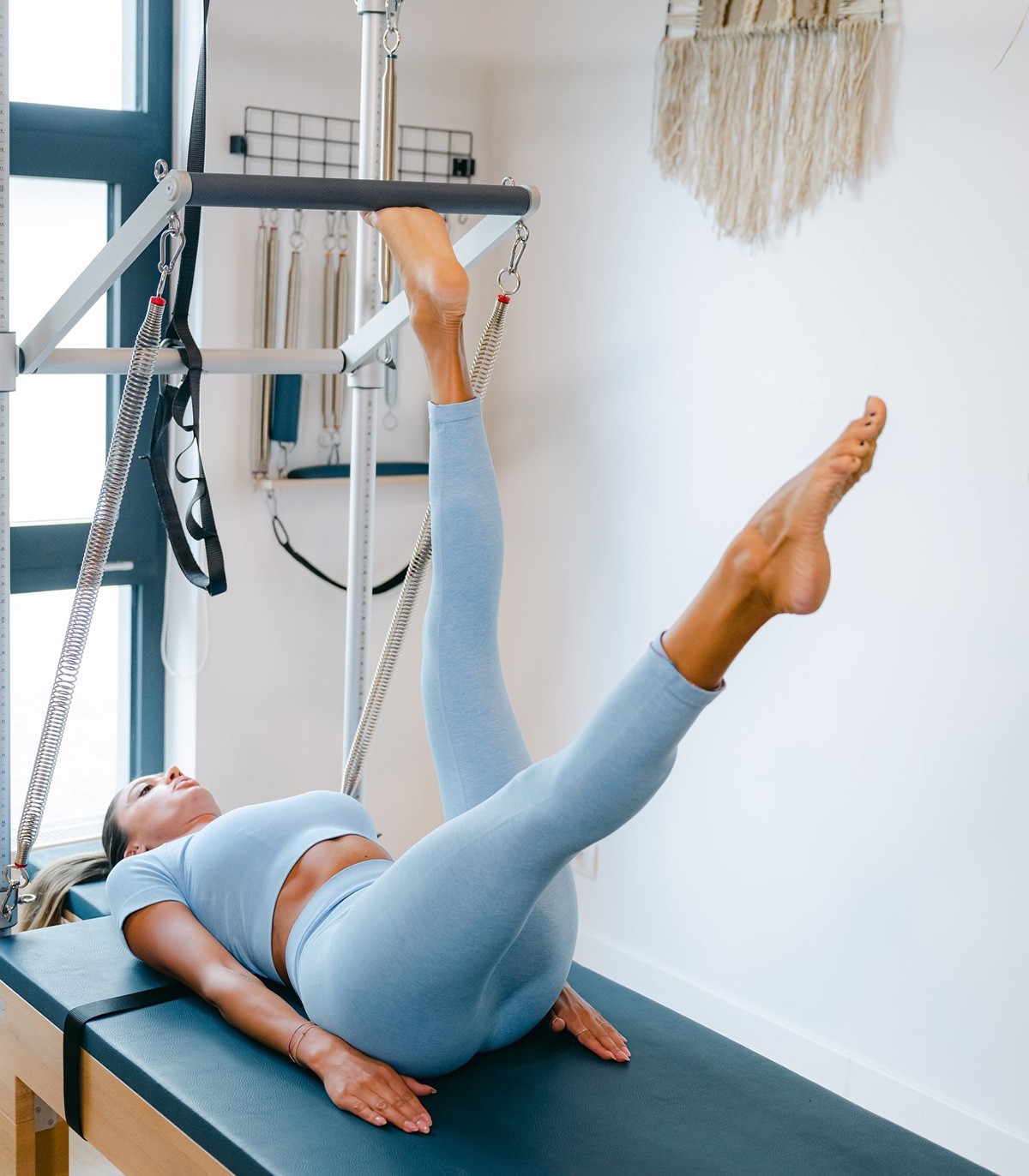


Starting a fitness journey can feel overwhelming, especially if you are new to exercise. With so many workouts, diets, and fitness trends, it’s easy to get lost in the noise. However, beginning your fitness journey doesn’t have to be complicated. With the right approach, you can set yourself up for long-term success and make fitness an enjoyable part of your lifestyle. Here are top 10 fitness tips for beginners to help you kickstart your journey.
1. Set Clear and Realistic Goals
Before you start any workout program, it’s important to define your goals. Are you aiming to lose weight, build muscle, improve flexibility, or simply stay active? Setting SMART goals—Specific, Measurable, Achievable, Relevant, and Time-bound—will help you stay motivated and track your progress. For example, instead of saying “I want to get fit,” try “I want to work out 4 times a week for 30 minutes and increase my strength in 3 months.”
2. Start Slowly and Progress Gradually
Many beginners make the mistake of jumping into intense workouts too quickly. This can lead to injuries, burnout, or frustration. Start with low-impact exercises like walking, bodyweight movements, or light cardio. Gradually increase intensity, duration, and weights over time. Remember, fitness is a marathon, not a sprint.
3. Focus on Form, Not Speed
Proper technique is essential to avoid injuries and maximize results. Whether you are lifting weights, doing squats, or performing push-ups, make sure your form is correct. Consider working with a personal trainer or watching tutorials to ensure you execute exercises safely.
4. Include a Balanced Mix of Workouts
A well-rounded fitness routine should include:
- Cardio: Improves heart health and burns calories (e.g., running, cycling, or swimming).
- Strength Training: Builds muscle and boosts metabolism (e.g., weights, resistance bands, or bodyweight exercises).
- Flexibility & Mobility: Enhances range of motion and reduces the risk of injury (e.g., stretching, yoga, or Pilates).
Mixing different types of workouts keeps things interesting and ensures your body develops evenly.
5. Prioritize Consistency Over Intensity
Consistency is more important than doing long or intense workouts occasionally. Establish a regular schedule that fits your lifestyle. Even short workouts of 20–30 minutes can make a huge difference if done consistently.
6. Fuel Your Body Properly
Nutrition plays a critical role in your fitness journey. Focus on a balanced diet rich in lean proteins, whole grains, healthy fats, and plenty of fruits and vegetables. Avoid crash diets or extreme restrictions, as they are unsustainable and can harm your progress. Remember, hydration is key—drink enough water before, during, and after exercise.
7. Rest and Recover
Your body needs time to repair and grow stronger after workouts. Make sure to include rest days in your schedule and prioritize quality sleep. Recovery practices like stretching, foam rolling, or even a short walk can help reduce soreness and prevent injuries.
8. Track Your Progress
Keeping track of your workouts, nutrition, and progress can help you stay motivated. Use a fitness journal, apps, or wearable devices to monitor your improvements. Celebrate small milestones to stay encouraged and focused on your long-term goals.
9. Find a Support System
Having a support system makes your fitness journey more enjoyable and sustainable. Join a fitness class, find a workout buddy, or engage with online fitness communities. Encouragement, accountability, and shared experiences can boost motivation and help you stay committed.
10. Listen to Your Body
Finally, always listen to your body. It’s normal to experience some muscle soreness, but sharp pain or discomfort is a sign to slow down or modify your routine. Avoid comparing yourself to others; everyone’s fitness journey is unique. Patience and self-compassion are crucial for long-term success.